Introduction
Spring brings longer days, warming weather, and for cat owners, a lot more loose fur floating around the house. As cats start to shed their thicker winter coats, some may start grooming more, shedding more, or leaving little tufts of fur behind on your clothes, couch, or bedding. It’s a natural process, but it can catch people off guard, especially if it's your first spring with a cat or if your pet seems extra itchy or uncomfortable.
This is a good time to adjust a few daily routines and check in on cat vet care to make sure your pet is staying healthy through the season. A little support during this transition can help keep their coat in better shape and can cut down on furballs, mats, and other issues that may pop up when shedding picks up speed.
Understanding Spring Shedding in Cats
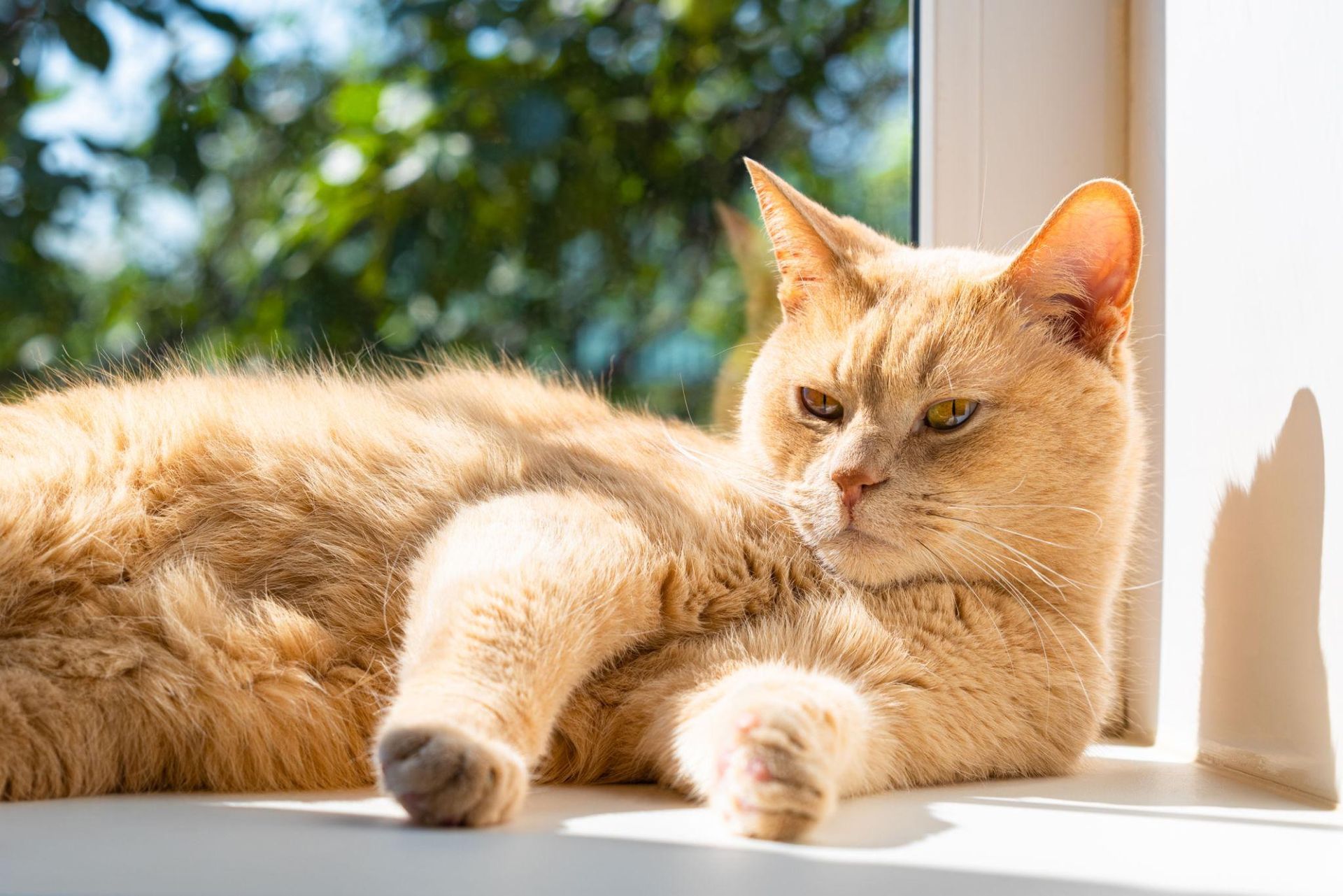
Cats grow a dense winter coat to stay warm during colder months, and as spring arrives, that extra fur needs to go. The shedding process is normal, but the amount can vary depending on a cat’s age, health, and whether they’re mostly indoors or outside a lot.
Indoor cats often shed lightly throughout the year, but you may still see a spike in fur loss once daylight hours stretch out. Outdoor cats or those that sun themselves near windows might have a stronger seasonal shed, closely tied to changes in light and temperature.
Normal shedding usually means light layers of fur come off evenly across the body during grooming or petting. If your cat is losing fur in patches, licking in one spot repeatedly, or scratching more than usual, that might point to something else. Bald spots, sores, or rough skin can be signs of overgrooming, fleas, or allergies, not just simple spring shedding.
If you see any of these signs, it’s a good idea to check in with your vet to help rule out health problems and get support for your cat’s skin and coat.
Grooming Support That Works for the Season
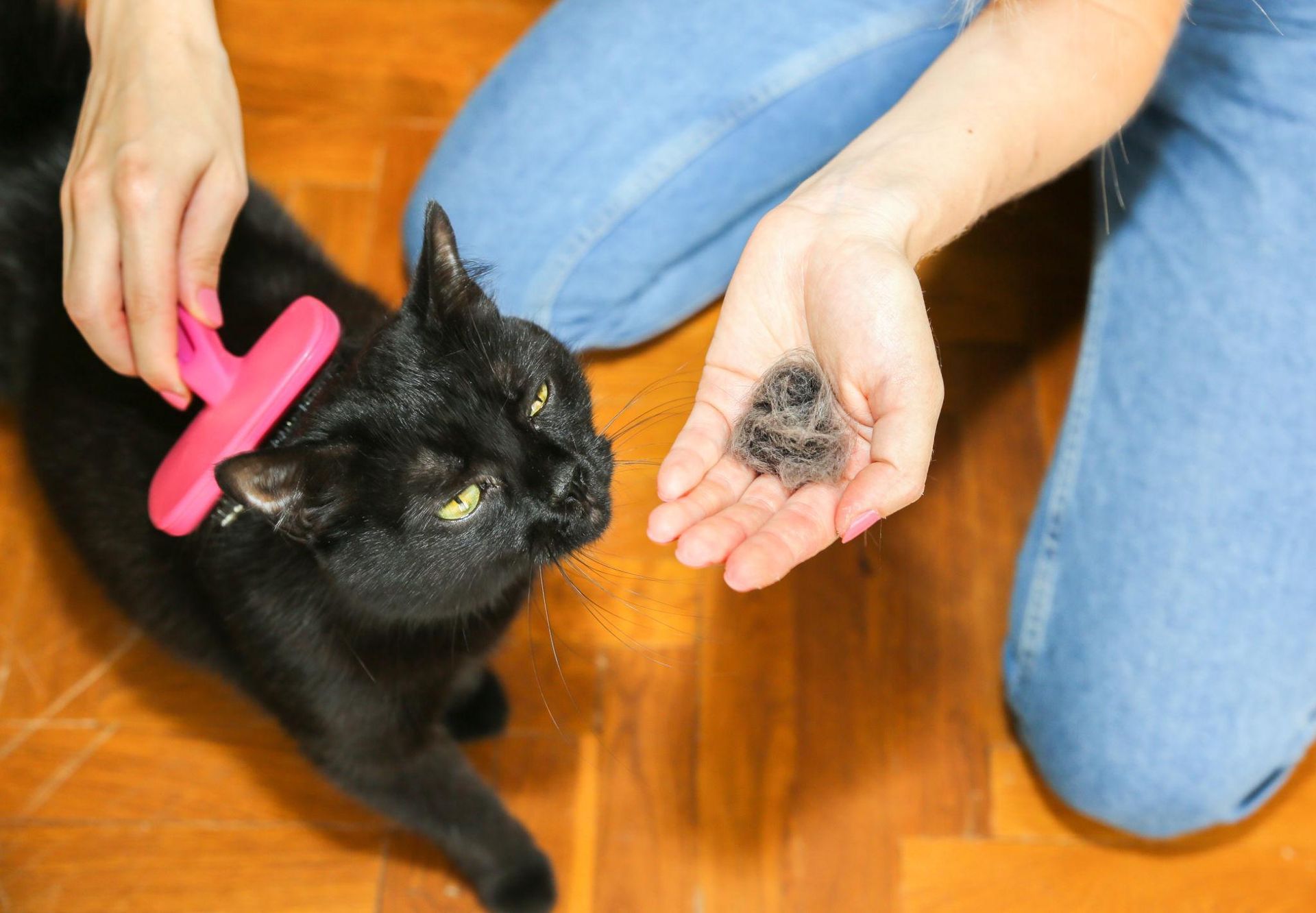
Regular brushing during spring helps prevent tangles, mats, and hairballs. It also cuts back on the amount of fur floating around your home. Brushing can be a gentle way to bond with your cat too, as long as it’s done with the right tools and at the right pace.
Different fur types need different grooming help:
• Short-haired cats do well with soft rubber brushes or grooming gloves that help collect loose fur.
• Long-haired cats may need regular combing with wide-toothed combs or de-shedding tools to keep their coat from knotting up.
• Seniors or cats who dislike being brushed might need gradual conditioning or professional help if mats or irritation set in.
If you notice your cat doesn’t tolerate brushing or if you already feel mats or clumps, it’s better not to force it. Trying to cut out knots at home can lead to cuts or skin injury. That’s where a visit to the vet or grooming support can make a big difference.
Some skin conditions or parasites may show up more clearly once thick fur is gone. So this can be a good time to include coat checks as part of regular cat vet care. We look at more than just the fur, what’s going on underneath matters too.
At Mainstay Veterinary Practice, our cat vet care services include skin and coat evaluations as part of routine checkups. We help you spot early signs of allergies, skin problems, or abnormal shedding so you can take action before bigger concerns develop.
Watching for Seasonal Allergies or Skin Changes
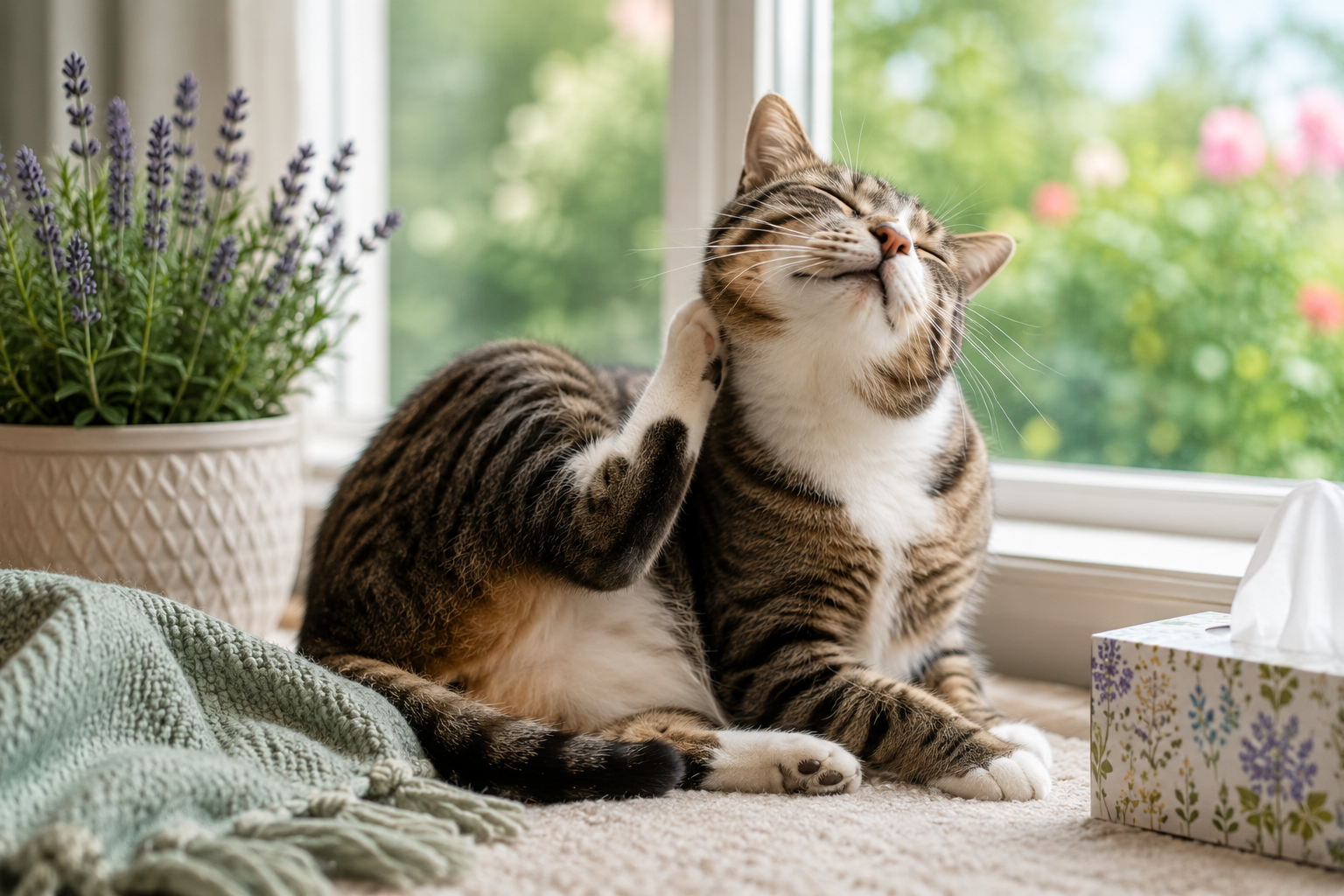
Spring doesn’t just bring shedding. It often stirs up allergies in people and in pets. You might not think of cats getting itchy from pollen or dust, but it’s definitely possible, especially around March when pollen starts building up again.
If your cat seems to be licking their paws more, scratching around the face, or showing small red patches on the body, seasonal allergies might be at play. Other signs include watery eyes, sneezing, or sudden changes in grooming habits.
• Watch for redness, flaking, or scabs along the neck, back, or tail area.
• Pay attention if your cat suddenly starts avoiding being touched or hides more.
• Stay alert if you notice more licking than usual, especially when nothing seems stuck in their fur.
Seasonal skin issues can blend in with regular shedding, which is why spring can be a good time to check in on your cat’s condition. Regular cat vet care helps separate what's just routine fur loss from something that may need treatment or close follow-up.
Keeping the Home Comfortable During Shedding Season
When cats start shedding heavily, it helps to make a few changes around the home. A little prevention now can mean less fur buildup and less mess later.
Here are simple ways to help during high shed cycles:
• Add washable covers to favorite sleeping spots and wash them weekly.
• Use a lint roller or hand vacuum to manage soft furniture and cat trees.
• Clean under furniture and corners where fur collects.
• Keep soft brush sessions short but consistent, especially after naps or the morning stretch.
• Make sure your cat’s favorite rest spots are away from drafty windows or vents where pollen or dry air can stir things up.
Adding a regular grooming session to your daily routine offers a bit of structure and helps your cat know what to expect. Some cats actually look forward to brushing once it becomes part of their rhythm.
If spring triggers stress in your pet because of the extra cleaning, dust, or even the noise of open windows, try to keep the home calm. Routines, soft bedding, and quiet corners give your cat a feeling of control and comfort during the seasonal shift.
Helping Your Cat Feel Good All Season Long
Spring brings changes to your cat’s coat, skin, and environment, but with the right support, it doesn't have to cause discomfort. A shed-heavy season is common this time of year, and it’s manageable with a few smart habits.
Watching your cat’s fur, skin, and grooming behavior gives you clues about how they're handling the season. When in doubt, regular checkups help us spot anything that might be hiding under all that fluff. Good grooming habits paired with thoughtful cat vet care can make spring smoother for both you and your pet.
As your cat sheds more or experiences skin changes and allergy symptoms during the spring season, regular check-ins and healthy grooming routines are especially important for their comfort. Our team makes it easy to support your pet’s well-being, contact Mainstay Veterinary Practice today to learn more about how our
cat vet care can help this season.