Introduction
Summer’s arrival in Northern Virginia can bring on more than just longer days and warmer evenings. For some cats, it also brings sneezing, itchy skin, and watery eyes. Allergies in cats are not always easy to notice right away, but they can cause real discomfort when left untreated. If your cat seems out of sorts this time of year, it might not just be the heat. Visiting a cat vet in Fairfax, VA can help figure out if allergies are behind the sudden scratching or sniffles. We are here to walk through what allergies in cats can look like and how a local vet can help them feel more like themselves again.
What Allergies Can Look Like in Cats
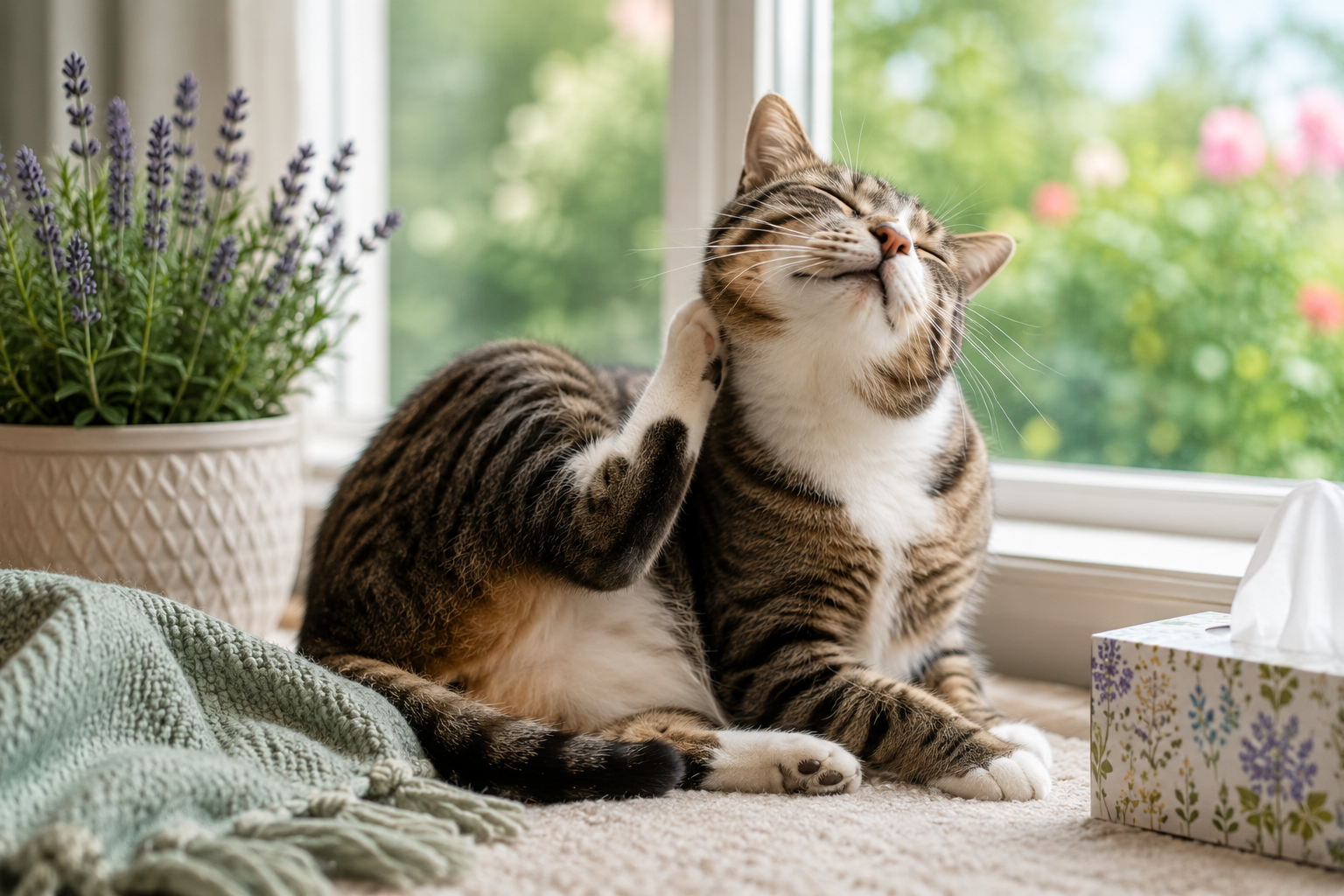
Unlike in people, allergy symptoms in cats do not always include sneezing or coughing. Many cats show signs in their skin or behavior. Since cats are great at hiding discomfort, the signs can be small at first but tend to build with time.
• Itchy skin is one of the most common signs. You may notice your cat scratching more than usual or licking certain spots raw.
• Some cats develop ear infections or start shaking their head often.
• Licking or chewing on their paws can mean their feet are irritated by something they have stepped in outside.
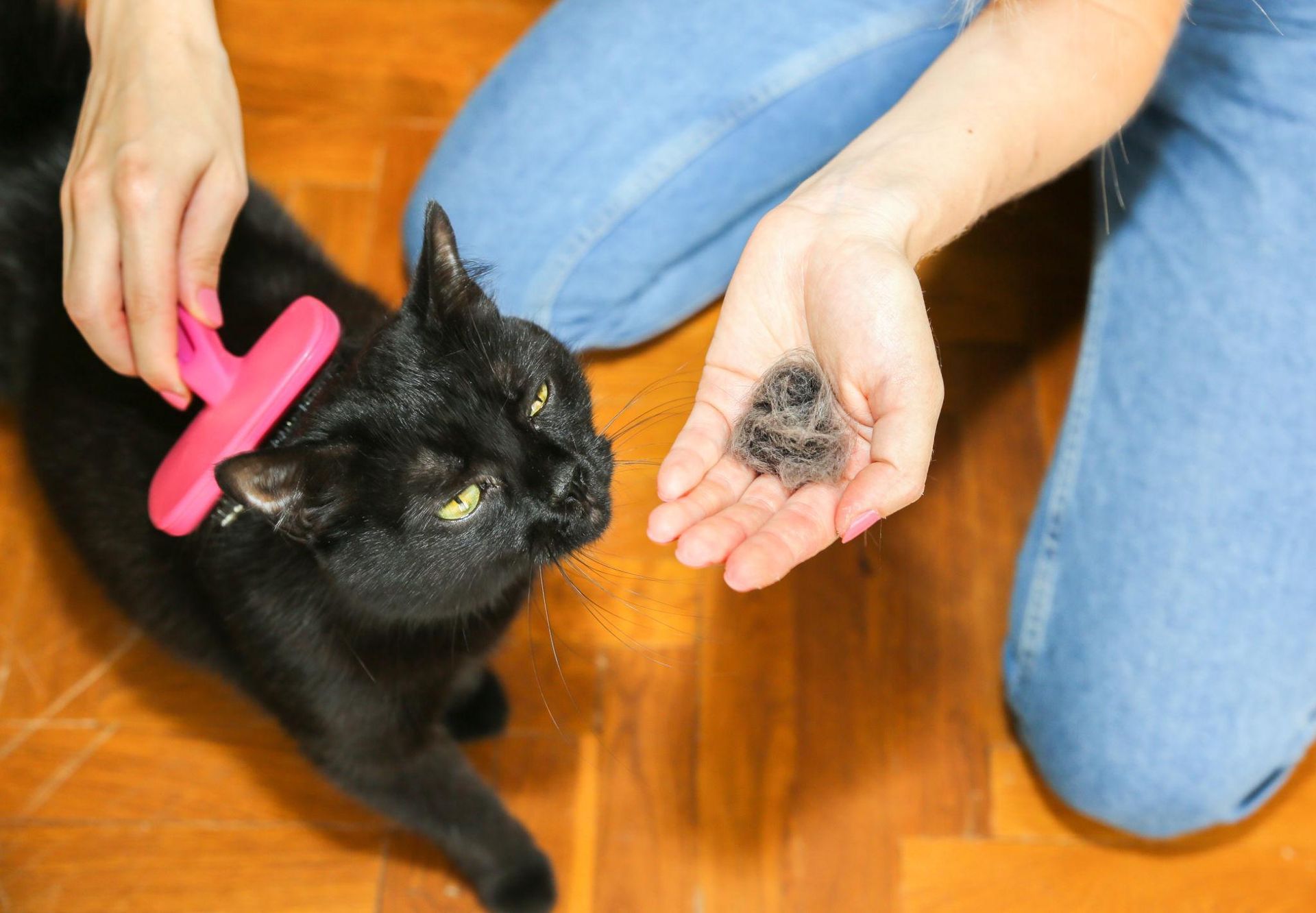
In this part of Virginia, summer brings new plants, blooming weeds, mold growth, and higher humidity. All of these can affect cats that are sensitive to environmental triggers. Add in some dust from open windows or shedding from a heavier coat, and it is easy to see why this season can be tricky. Keep in mind that allergy symptoms in cats can sometimes look like other health problems, which is why a vet check is usually the best next step.
How Vets Find Out What’s Causing the Trouble
When your cat is not acting like themselves, figuring out the cause means starting simple and working from there. Before moving to allergy treatments, we usually check for other possible reasons. Things like fleas, mites, food reactions, or infections can cause many of the same symptoms.
• A physical exam and a good conversation about your cat’s habits help guide the process.
• We ask about changes in diet, sleeping spots, any new items in the home, and when symptoms began.
• Sometimes testing is needed to narrow down what is behind the reaction. This could mean basic skin checks, cultures, or allergy-related screenings.
Knowing what is common in your home and around your neighborhood helps us spot patterns faster. Something as small as a change in laundry detergent could be part of the picture. Other times, the problem is something seasonal and out of your control, like pollen levels outside. Either way, finding the actual cause makes everything else simpler.
At Mainstay Veterinary Practice, we perform in-depth allergy examinations and diagnostics for cats, including skin and ear assessments, comprehensive history reviews, and recommendations for environmental management during peak allergy months.
Treatments That Help Cats Feel Better
Once we have figured out what is bothering your cat, the next step is creating a plan to help them feel better. Treatments depend on what kind of allergy your cat has and how strong the signs are.
• We might suggest medicated shampoos or wipes for itchy skin, especially if there is a chance of infection.
• Prescription medicine or allergy relief options can help with inflammation or discomfort.
• Some cats benefit from changes around the house, such as improved air filters or switching to fragrance-free cleaners.
Each cat is different, so we do not rely on one-size-fits-all options. In many cases, sticking with a treatment plan over time helps reduce flare-ups, even during peak allergy season. Regular check-ins make it easier to make adjustments if something is not working. If your cat needs long-term allergy support, we will build something manageable for both of you.
We also counsel on flea and tick prevention during the summer, since parasite bites are a common allergy trigger for outdoor cats in Northern Virginia.
Why Seeing a Local Vet Matters
There is a benefit to working with someone who knows the local seasons and common triggers. A cat vet in Fairfax, VA is more familiar with the plants, grasses, and weather patterns that often cause allergic reactions during the summer months. Whether your cat is reacting to what is blooming in the yard or to something tracked in after a walk, local knowledge helps cut down guesswork.
• Local weather often adds to allergy problems, especially on muggy or stormy days when pollen and dust levels shift suddenly.
• We know which allergens are more active in this part of Virginia and when you are likely to see your pet’s symptoms get worse.
• Having a nearby vet means it is easier to check in quickly if a treatment needs adjusting or if new signs appear.
When allergy season drags on, it helps to have someone close to help your cat stay comfortable. Understanding how allergies work where we live makes faster relief more likely.
A More Comfortable Summer for Your Cat
Allergy season does not have to mean endless scratching or restless nights for your cat. With the right support, most cats can enjoy their summer without being distracted by constant discomfort. By watching for early signs, getting help quickly, and following a steady plan, flare-ups can be easier to manage at home or during vet visits.
We are here to help your cat feel more relaxed and settled during the warmer months. No one likes seeing their pet uncomfortable or worn out by something that can be treated. When cats get the care they need early, they often bounce back faster and stay happier through the season.
At Mainstay Veterinary Practice, we know how challenging allergy season can be for both you and your cat. Having a local vet who recognizes the timing and triggers of summer allergies in Northern Virginia can make a meaningful difference. When your pet shows signs of discomfort, a visit with a
cat vet in Fairfax, VA helps determine what is going on and how to provide relief. We are here to support your cat’s health, so contact us today to schedule an appointment.