Introduction
Summer in Fairfax, VA can get hot fast, and for our pets, that kind of heat can be dangerous if we’re not careful. Long days outside, warm pavement, and muggy afternoons all make it easy for pets to overheat without warning. That’s why it helps to know what to look for and where to go if something feels off. Having an animal hospital in Fairfax, VA ready when a heat emergency strikes can make all the difference between a quick recovery and something more serious. When our pets start to struggle, getting the right support early can help them stay safe and get back to feeling like themselves sooner.
Recognizing the Signs of Heat Exhaustion in Pets
A big part of keeping pets safe in summer is knowing what overheating looks like. Sometimes it sneaks up slowly, and other times it hits hard and fast. You might notice your dog panting more than usual or your cat lying very still in a warm corner. These little signs can be early clues that something’s wrong.
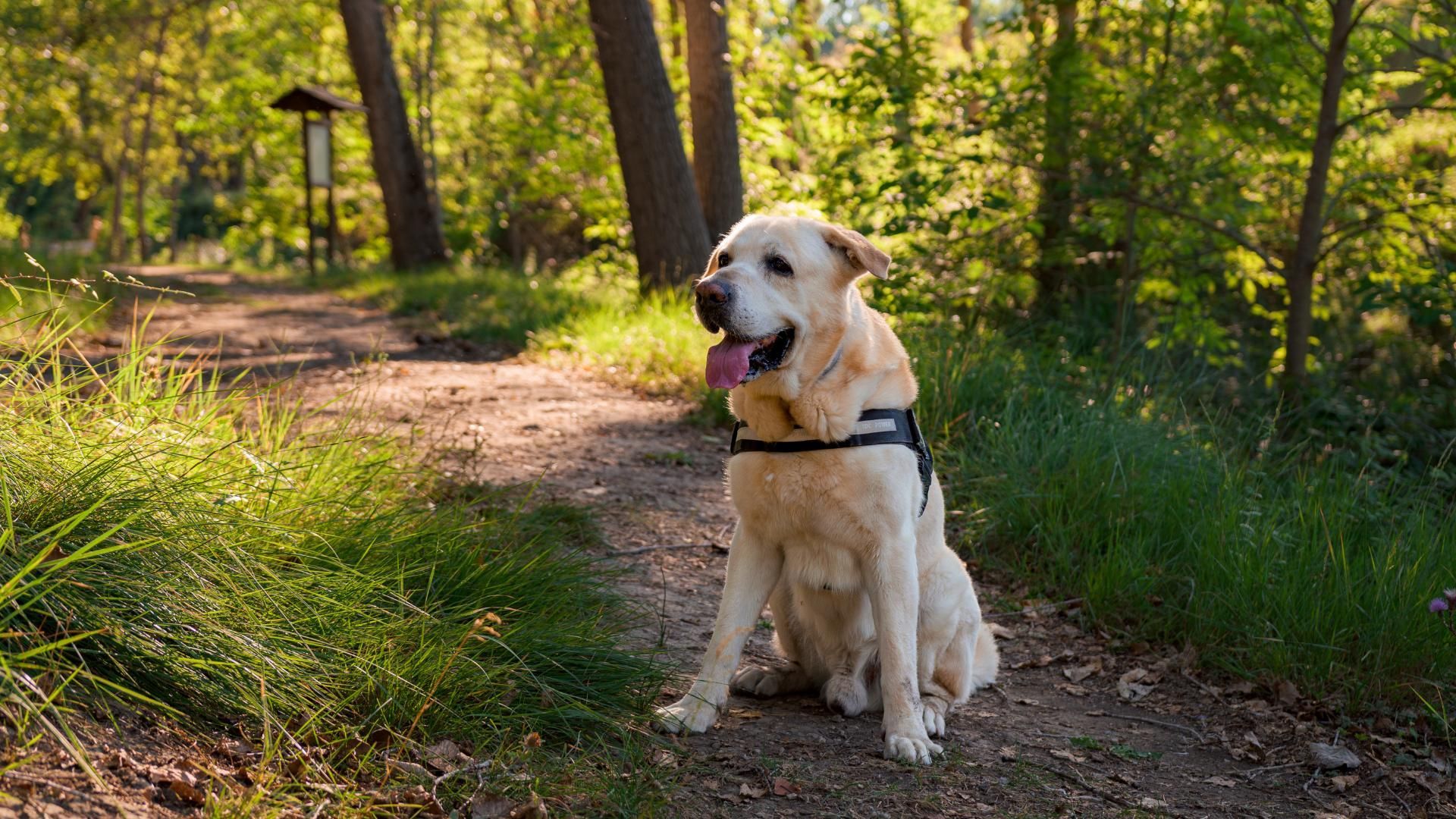
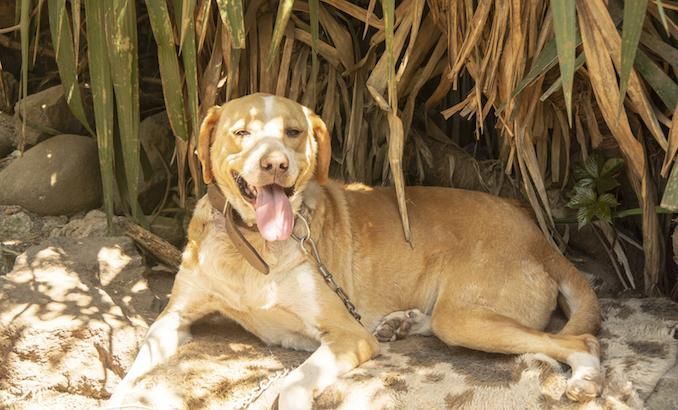
• Heavy panting, drooling, or glazed-over eyes can mean your pet is working too hard to cool down
• Vomiting, weakness, or wobbly walking can mean heat exhaustion is setting in
• If your pet collapses or stops responding, that could be heatstroke and needs quick help from a vet
Some pets are more at risk during summer than others. Flat-faced breeds like bulldogs or pugs have a harder time breathing in thick air. Older pets may not handle temperature swings as well. Pets with health issues or thick coats can struggle more, even if they’re not outside long. No matter their age, it’s important to know how each pet handles heat and watch them closely during warm spells.
It can also be helpful to pay attention to changes in your pet’s appetite or energy level during warm weather. Pets may seem less interested in play or might sleep in cooler areas of the house. If your pet starts seeking out cooler floors, acting restless, or looking for shade more often than usual, these are hints they could be getting too warm. Changes in behavior, even if small, are often the first signs that your pet is uncomfortable in the heat.
What to Do in a Heat Emergency Before Getting to the Vet
If your pet starts showing signs of heat exhaustion, the first thing to do is help them cool down gently. That doesn’t mean dunking them in cold water, which can sometimes make things worse. Instead, think small and steady.
• Move them into a shaded or air-conditioned space right away
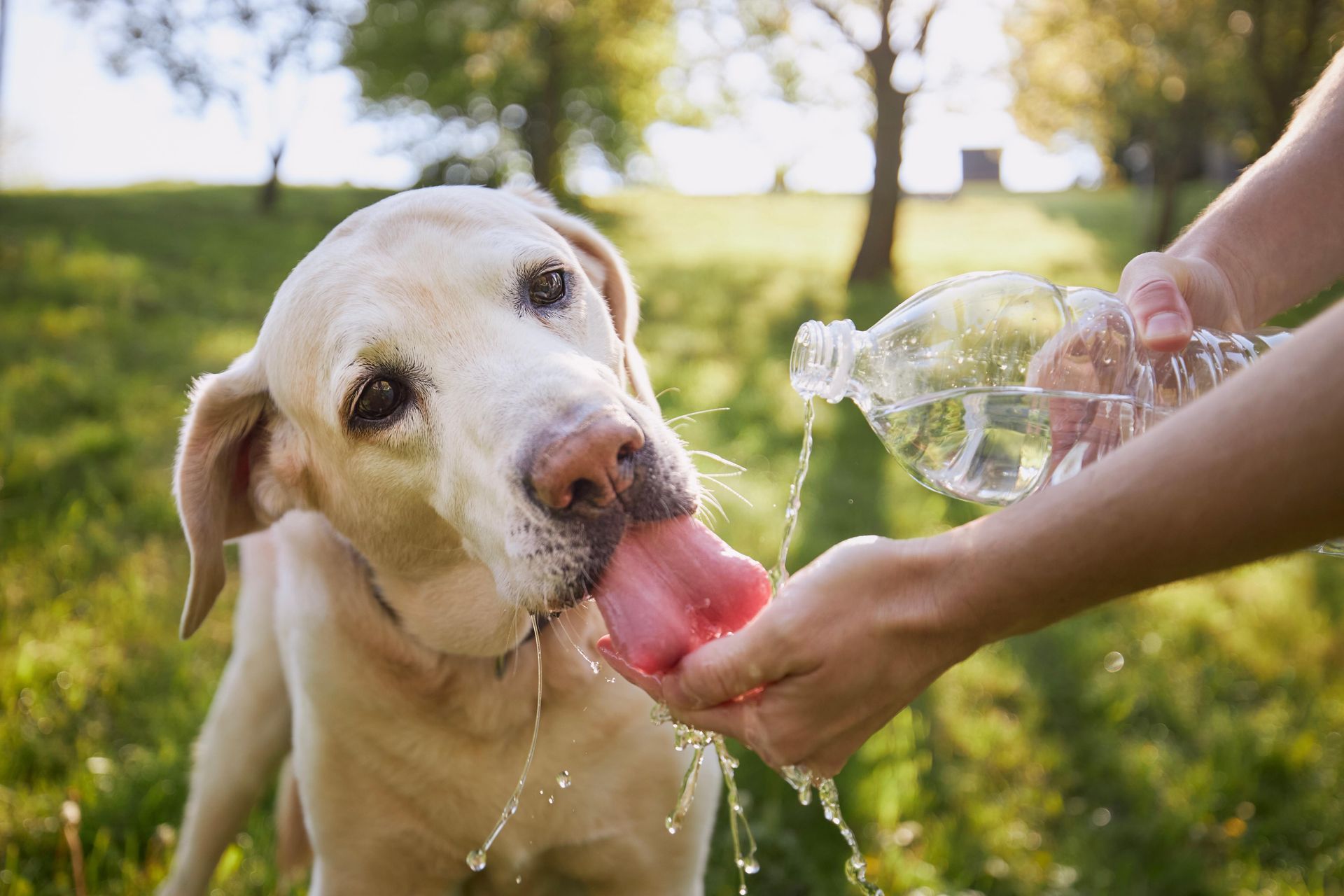
• Offer sips of cool (not ice-cold) water
• Use a damp cloth to wipe their belly, paws, and ears
If your pet isn’t bouncing back or begins acting confused or disoriented, it’s best to plan for an urgent visit. Before heading out, give the vet a call so they’re ready for you. If you’re unsure whether it’s safe for your pet to ride in the car, ask during the call. In some cases, too much movement can raise body temperature even more. When driving, keep your pet cool with airflow and try not to let them sit directly in the sun.
Sometimes, small actions done quickly make the biggest difference. Cooling mats or fans in the car can help for the ride to the animal hospital. If possible, place a wet towel under your pet without completely covering them, since airflow helps speed up cooling. Never use ice packs on their skin or let them shiver, since a sudden temperature drop can actually make them worse.
How a Local Animal Hospital Can Help in Summer Emergencies
Once you arrive, time matters. Veterinary staff often jump into action right away to check vital signs and bring internal body temperatures down. If dehydration is an issue, fluids may be given under the skin or through an IV. Sometimes pets get oxygen support if they’re struggling to breathe. In very hot weather, these steps help the body return to normal faster without added stress.
It’s easier to move quickly when we’ve already seen your pet before the emergency. Familiar faces, past records, and known allergies help us act fast without guessing. That’s why staying connected with an animal hospital in Fairfax, VA can be a smart step, especially during summer when emergencies are more likely. Quick decisions are simpler when there’s already a relationship in place.
At Mainstay Veterinary Practice, our animal hospital is equipped for heat-related emergencies and provides triage, in-hospital cooling, fluid therapy, and ongoing monitoring to stabilize pets quickly and safely. We offer both urgent care and routine wellness visits to keep pets ready for the season.
Not every heat-related issue looks the same, so our team checks for other hidden dangers, too. Sometimes there are underlying problems like heart or breathing issues that need special attention when a pet overheats. Our approach is to look at the whole pet, checking for pain, discomfort, or other health risks that might make recovery harder. Experience helps us spot these issues and adjust care, which speeds up healing and can prevent future problems.
Preventing Heat Emergencies Before They Happen
Of course, the best summer safety starts before anything goes wrong. It just takes a little planning and a few changes to your regular routine. A few steps can lower the risk of heat-related problems and keep pets feeling happy through the hottest days.
• Walk early in the morning or after sunset when the pavement is cooler
• Carry water and take short breaks when outside for more than a few minutes
• Let pets rest indoors during the hottest part of the day
Some pets do better with mini walks or indoor playtime on especially humid days. Shade, fans, and extra water bowls placed around the house can help them stay cool on their own. We also recommend checkups before summer really hits, especially for pets with heart problems, breathing issues, or joint pain. These issues can make it harder for pets to deal with the heat, and a quick visit gives us a chance to adjust their plan before things get busy.
Remember, pets with lighter fur may be more prone to sunburn, so offering shady spots and avoiding midday sun is especially helpful. If your backyard doesn’t have much shade, try bringing out a large umbrella or a pop-up tent for extra cover while your pet is outside. You can also test the pavement with your hand before walks, if it’s too hot for you to touch, it’s too hot for your pet’s paws.
Consistent routines can help set expectations for your pets. On hot days, check their water bowls more often, and leave out a few extra toys for them to enjoy indoors. A bored pet may try to sneak outside looking for fun, so keeping them engaged with treat puzzles, gentle training sessions, and cool spaces helps prevent accidental overheating.
Looking Ahead to a Safer, Happier Summer
Many heat-related problems can be prevented when you know what to watch for and respond early. The key is to stay alert, plan ahead, and make sure your pet isn’t pushed past their limits on hot days. When things heat up in Northern Virginia, it’s easy to miss small clues until they become big concerns.
A summer filled with walks, naps, and backyard play is still possible as long as we take it day by day. Pets count on us to notice when something feels off and to keep their comfort in mind when the temperature rises. With the right prep and awareness, families can enjoy more good days together, even when the weather gets tough.
Preparing for warm weeks ahead means having a trusted place you can rely on during the hottest days. We’re here to help pets stay safe when temperatures rise, whether they need quick care or simply a cooler spot to relax. Having an
animal hospital in Fairfax, VA that’s close and familiar can make summer emergencies less stressful. At Mainstay Veterinary Practice, we understand how quickly things can change and are always ready to help. Call us with your questions or for support this season.