How Canine Physical Therapy Helps with Injury Recovery

June 8, 2026
Mainstay Veterinary Practice Logo in White

Injuries can change everything for a dog. One day they’re bouncing through the yard, and the next, they’re limping or not moving around much at all. As pet owners, it’s hard to watch that shift and not know what to do next. That’s where canine physical therapy comes in. It’s a way to help dogs heal after surgery, an accident, or joint problems, using movement, rest, and guidance instead of just waiting it out. Recovery can feel slow or confusing, but with the right steps, it becomes easier to manage. In this article, we’ll look at why healing is tough, what therapy looks like, and how it helps dogs get back to what they love.

Why Recovery Is Hard for Some Dogs

Dogs can be great at hiding pain. They learn to favor one side when it hurts or skip stairs if they know it makes things worse. That means pet owners might not always notice something’s off until a dog starts slowing down or acting unsure.

  • A dog that’s healing might avoid running or playing, even if their injury has improved
  • They can develop habits that seem safe but actually cause more strain over time
  • If they stay still too long, muscles start to lose strength and joints can stiffen

After surgery or an injury, it’s easy to assume rest is enough. But sometimes too much stillness does more harm than good. Without careful movement, dogs may heal unevenly. Their body has to figure out how to work again, and that’s not always something they can do on their own.

What Happens During Physical Therapy for Dogs

Canine physical therapy looks different for every dog, depending on what they’re recovering from. The goal is always the same though, which is to help them move in ways that feel safe and build strength.

  • Therapy might include slow round-the-room walks, gentle stretches, or balance work on padded surfaces
  • Some dogs benefit from massage to ease tension before or after an exercise
  • As recovery builds, activities are added at a pace that fits the dog’s energy and healing patterns

At Mainstay Veterinary Practice, care plans are tailored by our veterinary team for your dog’s individual needs and medical history. Our therapy space is designed to accommodate both small breed and large breed dogs during recovery.


We watch each dog’s cues and track how they respond to each activity. If something makes them tense or uncomfortable, we adjust. Therapy is about building progress gently, making sure a dog isn’t pushed too far or left doing nothing at all.

Benefits of Moving the Right Way During Healing

When a dog’s recovery includes proper movement, the benefits show in how they walk, play, rest, and respond to touch. Movement keeps the body moving in step with healing instead of waiting until things are worse.

  • Muscles stay engaged, so the body keeps its strength as injuries heal
  • Joints stay more flexible, which can prevent stiffness or soreness later on
  • The body learns how to move again without shifting pain to other spots

One of the common issues after an injury is compensation. That’s when a dog changes how they move in one part of the body to avoid pain in another. For example, if a back leg hurts, the front legs may take more weight, causing other muscle groups to overwork. Physical therapy helps prevent these issues by teaching dogs to return to normal movements as their body allows.

When to Talk to a Vet About Therapy

It’s not always clear when a dog needs extra support. Some signs show up subtly, others all at once. If a dog is still struggling after rest or shows signs of discomfort with normal activity, it’s a good idea to ask a vet about therapy.

  • Limping that doesn’t go away
  • Stiffness after sleeping or hesitation with stairs
  • Slower movement or less excitement about normal play

Post-surgery is another common time when therapy can step in. A dog might be cleared to move again but still hasn’t found comfort in steps, jumps, or regular walks. Therapy gives them a plan. It’s also helpful for senior dogs who may be achy from joint issues or arthritis. They might not have a major injury, but regular, supported movement can ease discomfort and improve daily life.

Better Healing and a Happier Dog

We provide gentle, customized canine physical therapy to help dogs return to daily activity with less pain. Our approach includes not only hands-on therapy but client education and ongoing re-evaluation, ensuring that each stage of recovery is managed with care in our Fairfax, VA facility.


Watching a dog bounce back from injury takes patience, and it can bring up a lot of questions. We always want to do what’s best, but not knowing how to guide the process can leave both people and pets feeling stuck. Canine physical therapy can give that process more direction. Instead of guessing, you’re working with a plan that’s designed to take things step by step.


Dogs feel the difference too. When movement becomes easier, their mood improves, and they grow more confident with each new skill or motion. Recovery might still take time, but when it’s supported in the right way, it leads to better days, more active moments, and a feeling of normalcy returning. With patience and steady progress, dogs can move beyond injury and feel strong again.


At Mainstay Veterinary Practice, we know how important it is for your dog to heal comfortably and regain an active lifestyle after an injury. The right support can make all the difference in helping them move, rest, and return to their normal routine. Our team is dedicated to guiding each step of your pet’s recovery with personalized care and attention. To discover how canine physical therapy could benefit your dog, contact us today.

Recent Posts

September 2, 2026
Help your pet through seasonal changes with regular grooming and thoughtful cat vet care to manage shedding, skin issues, and spring allergies.
September 2, 2026
Spot springtime issues early with help from a Fairfax veterinarian. Learn how to handle allergies, fleas, and weight changes as the weather warms.
September 2, 2026
Keep your pup moving safely this season with a pet wellness exam in Fairfax. Learn how summer checkups support your dog’s health and outdoor fun.
September 2, 2026
Learn how puppy vaccination services help protect your dog early on and what to expect at your first vet visits as a new pet owner.

September 2, 2026
Learn how a canine behavior consultation can ease storm anxiety in dogs and help your pet feel safe and calm through Northern Virginia’s summer storms.
September 2, 2026
Learn how to spot heat exhaustion and where to go during summer emergencies with help from an animal hospital in Fairfax, VA.
September 2, 2026
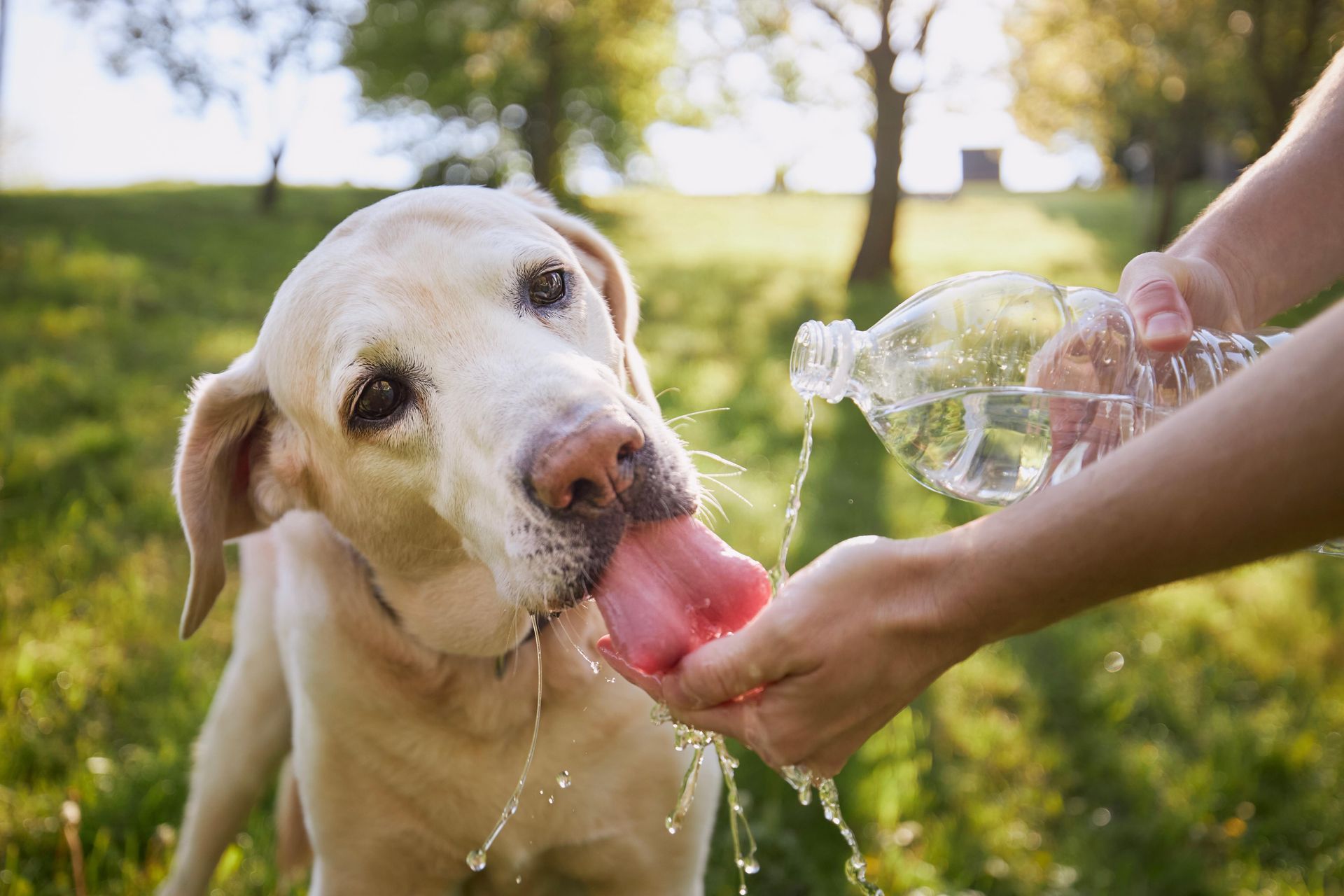
Learn how to spot heat exhaustion and where to go during summer emergencies with help from an animal hospital in Fairfax, VA.
September 2, 2026
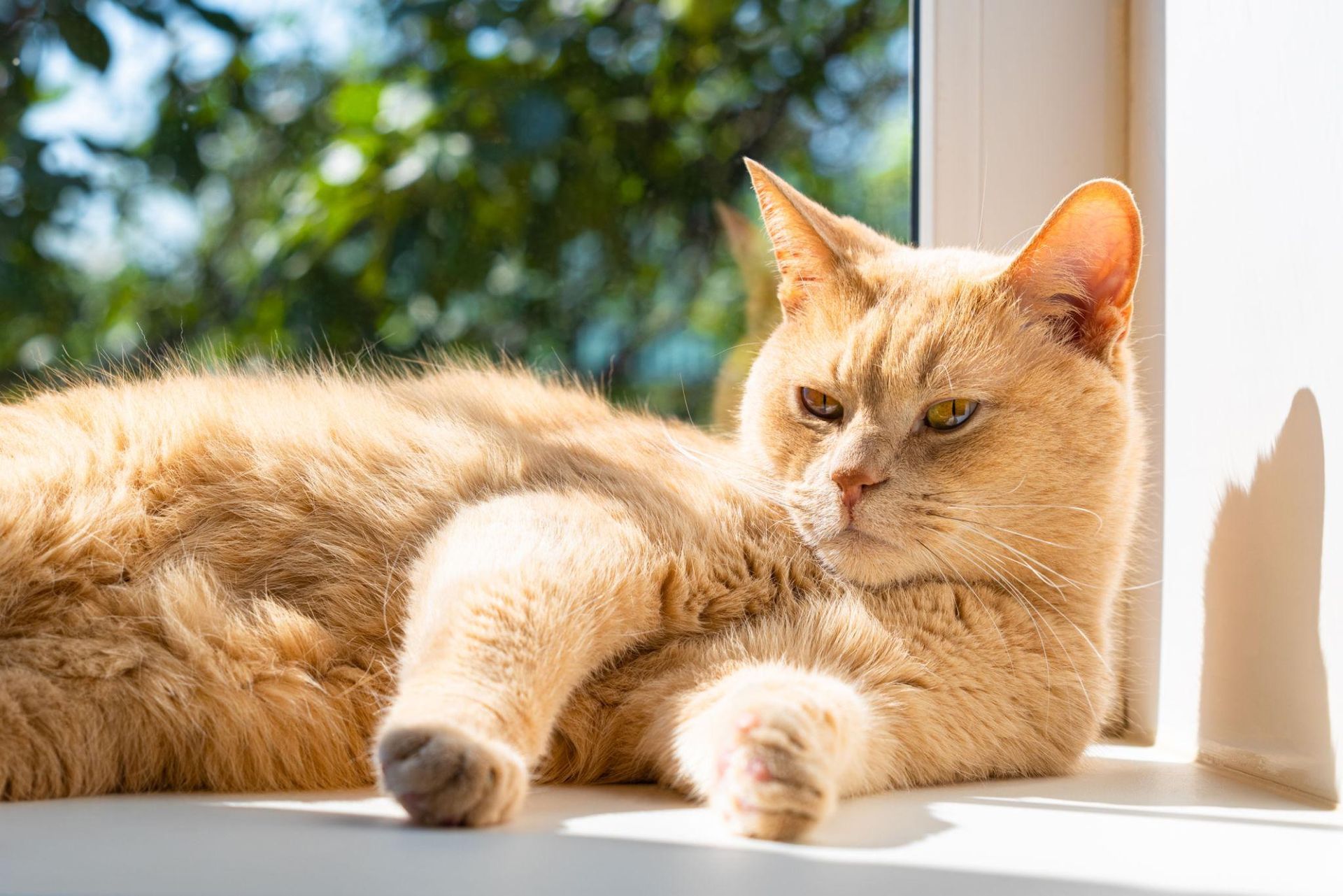
Support your cat's hydration, diet, and skin health with cat vet care to keep their coat smooth, shiny, and healthy all summer long.
September 2, 2026
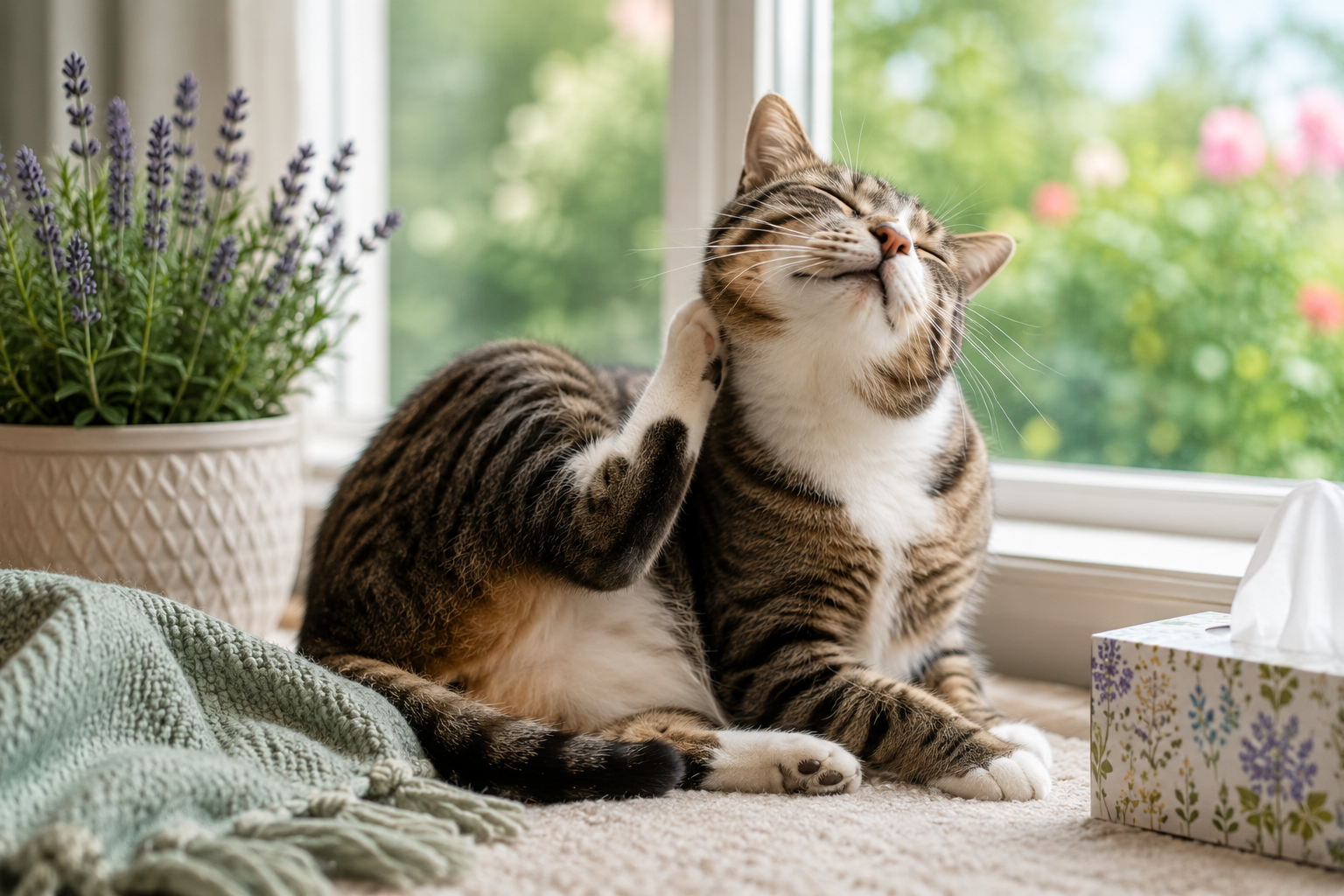
Learn how a cat vet in Fairfax, VA can help ease allergy symptoms like itching, sneezing, and paw licking so your cat can enjoy a calmer summer.
September 2, 2026
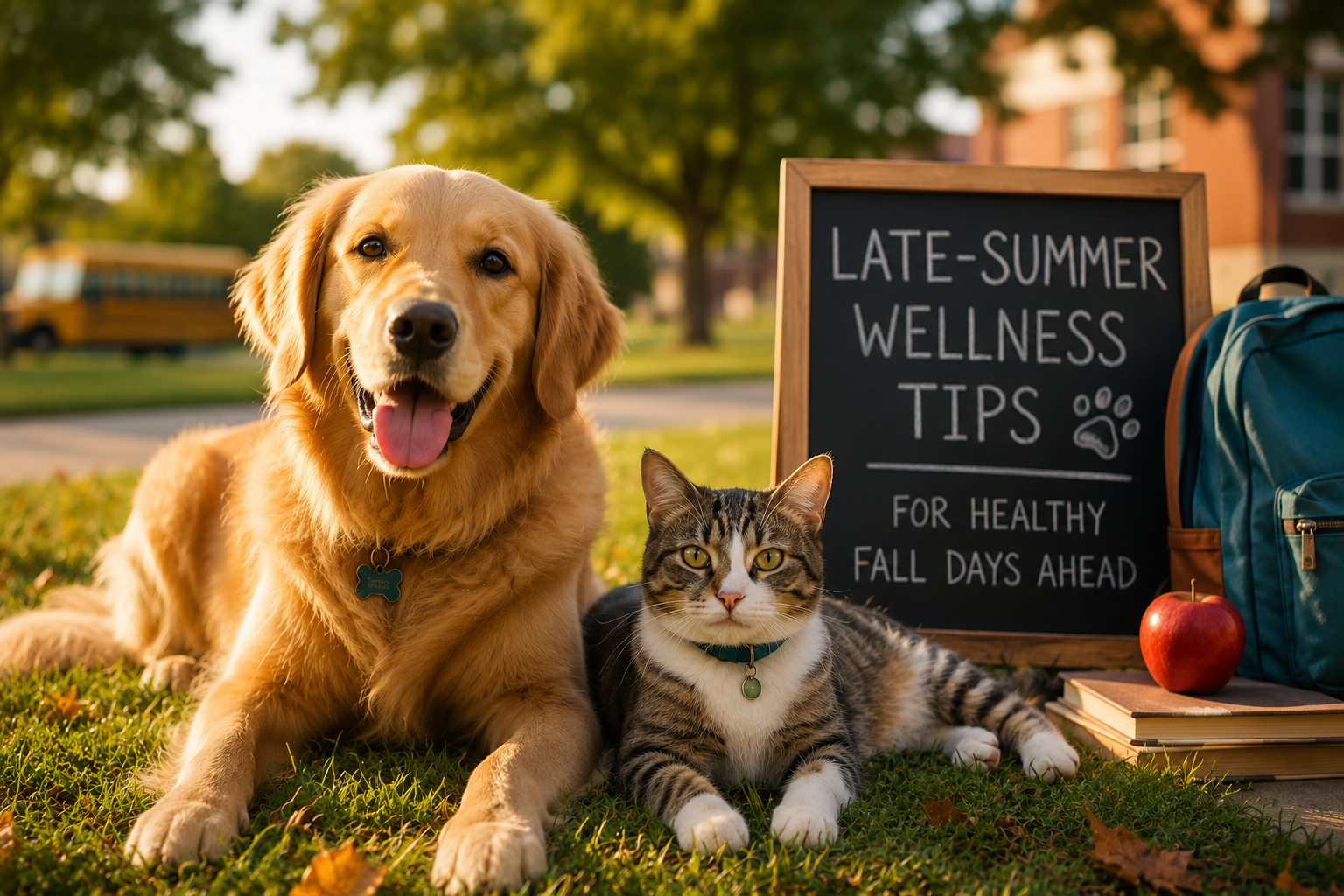
A quick visit with a Fairfax veterinarian can help ease pet transitions, catch summer-related issues early, and prep for changes the school year brings.